
quality tempered glass
The Right Angle Protractor A Cornerstone Tool in Geometry and Beyond The right angle protractor is an essential instrument in the realm of geometry and engineering. It serves a vital role in measuring and constructing angles, particularly right angles, and has applications that extend far beyond the classroom. Understanding its features, uses, and significance can enhance one’s appreciation for this simple yet powerful tool. A right angle protractor typically consists of a semi-circular body marked with degree measurements from 0° to 180°. The central point of this arc denotes the vertex of an angle, while a straight edge, known as the baseline, aligns with one ray of the angle being measured. The other ray can then be aligned with the degree markings on the protractor to determine the angle's measurement accurately. The clarity and precision of these markings make it easy for users to read angles with confidence. One of the most prominent uses of the right angle protractor is in educational settings. It is a fundamental teaching tool in mathematics classes, particularly in geometry. Students learn to measure angles, which is a critical skill not only in math but also in various fields such as physics, architecture, and engineering. By using a protractor, students gain a tangible understanding of concepts such as acute, obtuse, and right angles. This hands-on experience reinforces theoretical learning and aids in retaining complex concepts. In addition to its educational significance, the right angle protractor plays an indispensable role in various professions. For architects and engineers, precise angle measurements are paramount . The right angle protractor helps in the design process, ensuring that structures are built to precise specifications. It allows drafters and architects to visualize dimensions accurately, facilitating the creation of buildings and structures that are both functional and aesthetically pleasing. right angle protractor Moreover, carpenters and artisans rely on the right angle protractor for crafting furniture and other woodwork. When constructing items like tables, chairs, or cabinets, ensuring that angles are right can greatly affect the stability and overall quality of the finished product. By utilizing a protractor, craftsmen can achieve greater accuracy in their cuts, which contributes to the craftsmanship and longevity of their creations. The right angle protractor also finds its way into fields like robotics, where precise angles are essential for creating movements and functions. In robotics, even minor discrepancies in angle measurements can lead to significant malfunctions or inefficiencies. Hence, engineers may rely on protractors to ensure every component is aligned correctly, leading to smoother operations of robotic systems. As technology advances, digital versions of protractors have become available, providing users with digital displays and more precise measurements. These high-tech protractors can integrate with software that allows for automated calculations and designs, making them invaluable tools for engineers and designers. However, the traditional right angle protractor remains popular due to its simplicity, ease of use, and low cost. In conclusion, the right angle protractor is far more than just a simple measuring device; it embodies the principles of precision and accuracy that are foundational across numerous fields. From classrooms to construction sites, the ability to measure and create right angles has profound implications that affect both simple tasks and complex projects. As we continue to evolve in our understanding of geometry and technology, the right angle protractor will undoubtedly maintain its significance as an essential tool for learners and professionals alike. Understanding its function and purpose can inspire appreciation for the careful craftsmanship that goes into the designs of the world around us. Whether in academic pursuits or practical applications, the right angle protractor serves as a bridge between theory and practice, facilitating the precise construction of our physical environment.
about
quality tempered glass
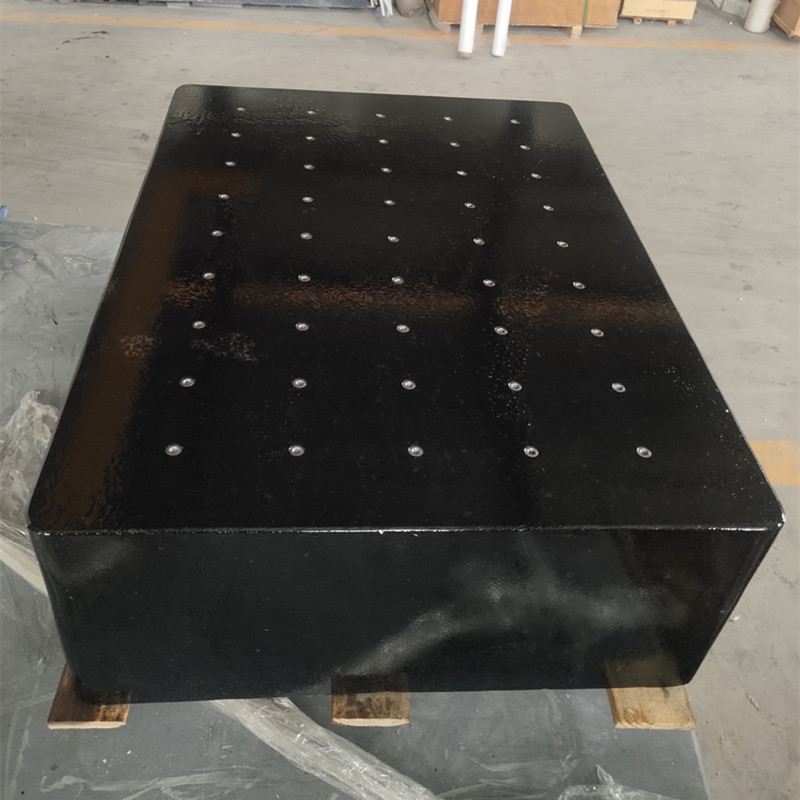
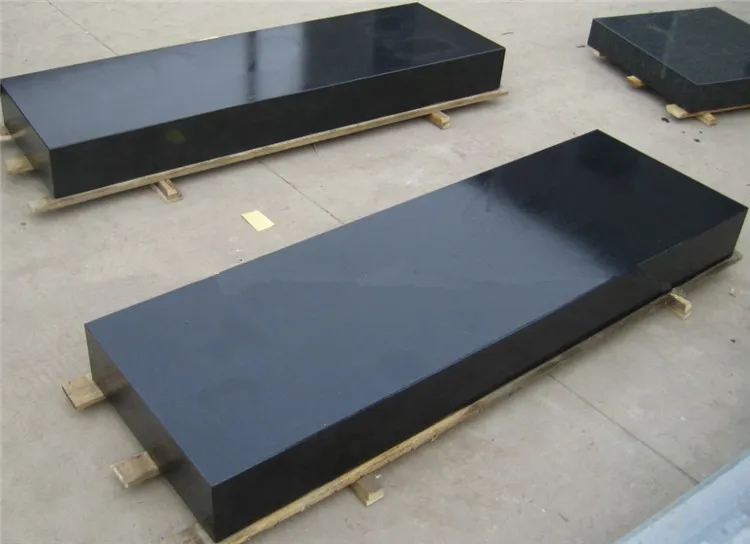
The Significance of Large Granite Blocks in Construction and Design Large granite blocks have been a fundamental material in construction and design for centuries. Known for their incredible durability, aesthetic appeal, and versatility, these massive stones have been used in everything from ancient monuments to modern architectural designs. Granite, an igneous rock composed mainly of quartz, feldspar, and mica, is renowned for its strength and resistance to weathering. This makes it an ideal choice for structures that require longevity and stability. Historical monuments such as the Great Pyramid of Giza and Stonehenge utilize large granite blocks, showcasing their significance in ancient engineering. The precision with which these blocks were cut and transported illustrates the advanced capabilities of early civilizations. In modern architecture, large granite blocks continue to play a vital role. They are often used as cladding material for buildings, providing both structural integrity and an elegant finish. The versatility of granite allows architects to use it in various styles, from sleek and contemporary designs to more traditional and rustic applications. The natural variations in color and pattern in granite can add visual interest, making each structure unique. large granite blocks Furthermore, granite is an environmentally friendly choice. It is a natural stone quarried from the earth, requiring minimal processing compared to synthetic materials . Its durability also means that structures built with granite do not need frequent repairs or replacements, reducing waste. In an era where sustainable construction practices are becoming increasingly important, the use of large granite blocks aligns perfectly with eco-friendly building philosophies. The aesthetic appeal of granite cannot be overlooked. Its timeless beauty makes it a popular choice for outdoor landscaping features, such as patios, walkways, and garden walls. In addition, large granite blocks can be utilized as focal points in parks and public spaces, providing a sense of permanence and elegance. They can be carved into sculptures or incorporated into water features, enhancing the overall environment. Finally, the symbolism associated with granite also contributes to its popularity. Often seen as a representation of strength and endurance, structures made from large granite blocks can evoke feelings of stability and resilience. This symbolism resonates with architects and clients alike, making granite a favored choice for important buildings and monuments. In conclusion, large granite blocks hold a prominent place in both historical and contemporary contexts. Their durability, aesthetic qualities, and environmental benefits make them an ideal choice for a wide range of applications. As we continue to appreciate the natural beauty and strength of granite, we can look forward to its ongoing use in shaping our built environment for generations to come.
-

High quality industrial productsagement

High quality industrial products
View Details -

Meet the diverse needs of customers

Meet the diverse needs of customers
View Details -

Strict quality control

Strict quality control
View Details -

Top raw materials

Top raw materials
View Details -

Trusted supplier

Trusted supplier
View Details
Our application

news and information

water valve shutoff
Navigating the realm of home maintenance and plumbing systems can often be a daunting task for homeo

Using a Level to Align a Marking Ruler for Precision Measurements
marking ruler with spirit level .
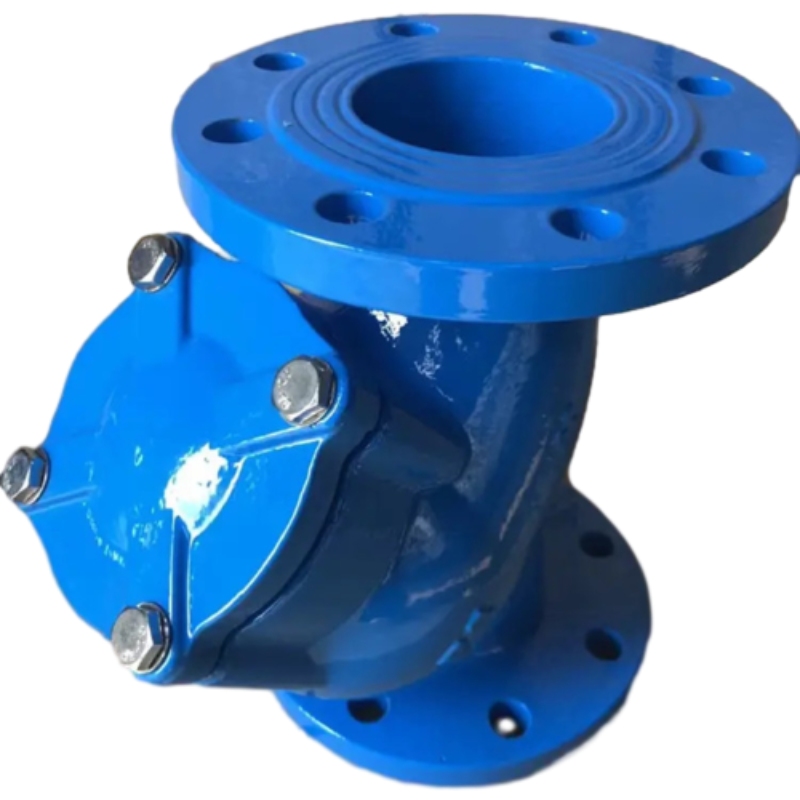
y strainer cast iron
The Benefits and Applications of Y-Strainer in Cast Iron In various industrial applications, one of
 English